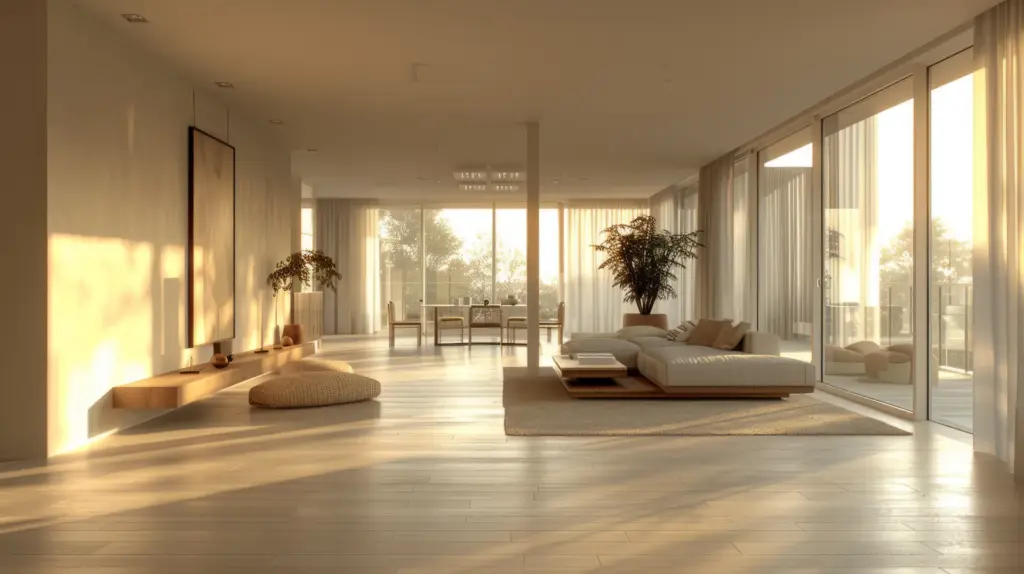


Carpet area is the actual usable floor space inside the walls whereas built up area includes carpet area plus wall thickness and, in many cases, balconies. The difference between the two affects pricing, planning, and how spacious a home feels. A larger built up area does not always mean a larger usable home.
Carpet area is the better measure to compare when evaluating liveable space and developers may quote different area terms, so buyers should always check what is include. A strong understanding of built up area vs carpet area vs super built up area helps avoid confusion at the time of purchase.
Table of Contents
- What is Carpet Area?
- What is Built Up Area?
- What is Super Built Up area?
- Built up area vs carpet area vs super built up area
- Why the Difference Matters
- How to Read Project Brochures
- A Note on Well-Planned Apartments
- Common Buyer Mistakes
- Final Checks Before Buying
- Frequently Asked Questions
What is Carpet Area?
Carpet area is, self-evidently, the space where one can lay a carpet. It refers to the actual usable floor space inside a home. It is the area where you can place furniture, walk freely, and use the room in day-to-day living. It usually includes bedrooms, living areas, kitchens, and bathrooms, but excludes external walls, balconies, terraces, and most structural elements. In simple terms, it is the space you can actually live in.
For buyers, carpet area is the most practical number to look at. It gives a better sense of how spacious a home will feel once you move in. Two homes can have similar sale prices, but the one with a better carpet area often gives more usable value. That is why this number matters so much during comparison.
What is Built Up Area?
Built up area is a broader measurement. It includes the carpet area along with the thickness of walls and, in many cases, balconies or utility areas. Because of this, the built up area is always larger than the carpet area. It reflects the total constructed footprint of the apartment rather than the actual liveable floor space.
This is where many buyers get confused. A project may advertise a larger built up area, but that does not mean the home offers more usable room inside. Once walls and other structural elements are added, the difference between the quoted number and the actual liveable area becomes clear. That is why comparing only the built up figure can be misleading.
What is Super Built Up Area?
Super built up area goes a step further. It includes the built up area plus a proportionate share of the common areas in the project, such as lobbies, corridors, lift areas, staircases, clubhouse spaces, and other shared amenities. This is one of the most important area terms in apartment buying because it is often the figure developers use to calculate the base cost of the apartment.
It also becomes relevant for several other financial components. Charges such as preferential location charges (PLC), floor rise charges (FRC), and advance maintenance are often linked to super built up area. In many projects, super built up area also plays a role in defining the undivided share of land, or UDS, that a buyer receives in the property. This is why it is not enough to treat it as just another area term in a brochure. It has a direct effect on pricing, ownership, and long-term value.
Built up area vs carpet area vs super built up area
Carpet area is the usable space inside the apartment where daily life happens. Built up area includes the carpet area along with wall thickness and, in many cases, balconies or utility areas. Super built up area goes further and includes the built up area plus a proportionate share of common spaces such as lobbies, corridors, lift areas, staircases, and other shared parts of the project.
For example, a home with a carpet area of 1,000 sq. ft. may have a built up area of around 1,150 to 1,250 sq. ft., depending on wall thickness, balconies, and the overall design. Its super built up area may be even higher once the project’s common area loading is added. This is why two apartments with the same saleable or super built up area can feel very different in real use. The number used for pricing may look similar, but the actual liveable space depends much more on the carpet area and the efficiency of the layout.
Why the Difference Matters
This difference matters because buyers often judge a home by the number they first see in a brochure. If that number is based on built up area, the actual usable space may be smaller than expected. That can affect how comfortable the home feels, how furniture fits, and how well the layout works for your lifestyle. It also affects how you compare one project with another.
When you understand built up area vs carpet area vs super built up area, you can compare homes more fairly. A flat with a higher carpet area ratio usually gives better usable value. This does not automatically mean it is the better purchase, but it gives a clearer picture of what you are paying for. For most homebuyers, that clarity is essential.
How to Read Project Brochures
Project brochures often highlight area numbers in a way that looks simple, but the details matter. Always check whether the quoted number is carpet area, built up area, or super built up area. If the brochure does not explain the measurement clearly, ask for a written breakdown.
Look for the ratio between carpet area, built up area and super built up area. A more efficient home generally has a better ratio, which means more usable space for the same overall size. Also, check whether balconies are included in the built up area and whether any part of the home is being counted in a way that changes the final figure. Reading carefully at this stage can prevent surprises later.
A Note on Well-Planned Apartments
Well-planned projects usually show their strength through smarter use of space rather than inflated numbers. In MANA’s own residential portfolio, homes such as Mana Dale and Mana Capitol are often discussed for their thoughtful layouts and comfortable sizing, which is exactly what buyers should look for when comparing built up area vs carpet area vs super built up area. A well-shaped apartment with sensible square footage can feel far better than a larger unit with poor planning.
That is the real value lesson here. Buyers should not just chase a bigger number on paper. A home with balanced proportions, efficient planning, and a healthy carpet area can offer better day-to-day living than a home that looks larger only because of structural add-ons. This is where apartment design matters as much as total area.
Common Buyer Mistakes
One common mistake is assuming that a larger built up area automatically means a better home. That is not always true. If the walls are thick or the balcony space is large, the actual usable area may not be much different from a smaller-looking apartment. Buyers should focus on how the space feels, not just how large the number appears.
Another mistake is comparing two homes using different area types. A carpet area figure from one project and a built up area figure from another are not directly comparable. This can make one home seem bigger or more affordable than it really is. To make a fair decision, always compare like with like.
Final Checks Before Buying
Before finalising a purchase, ask for the area statement and check the exact measurement type used. Confirm the carpet area, the built up area, and any inclusions such as balconies or utility spaces. This helps you understand the real value of the home. It also makes the buying process more transparent.
A clear understanding of built up area vs carpet area vs super built up area is one of the simplest ways to help you judge space, pricing, and layout more accurately. For any homebuyer, especially in apartment markets, that knowledge is worth having before signing the agreement.
Frequently Asked Questions
1. What is the main difference between carpet area and built up area?
Carpet area is the usable space inside the walls. Built up area includes carpet area plus walls and other structural elements.
2. Why is carpet area important?
It tells you how much liveable space you actually get inside the home.
3. Can built up area be much higher than carpet area?
Yes. The difference depends on wall thickness, balcony size, and overall design.
4. Which one should I focus on while buying a home?
Focus on carpet area first, then check the built up area to understand the total constructed size.
5. Why do developers mention built up area?
Because it reflects the full constructed size of the apartment, not just the usable floor space.
6. Is built up area vs carpet area vs super built up area important for all homebuyers?
Yes. It helps buyers compare homes properly and avoid confusion about actual usable space.
7. What does Mana do differently from other developers?
Mana focuses on transparent area communication and efficient unit planning, so buyers understand exactly what they are paying for and get a stronger carpet area within the overall apartment footprint.